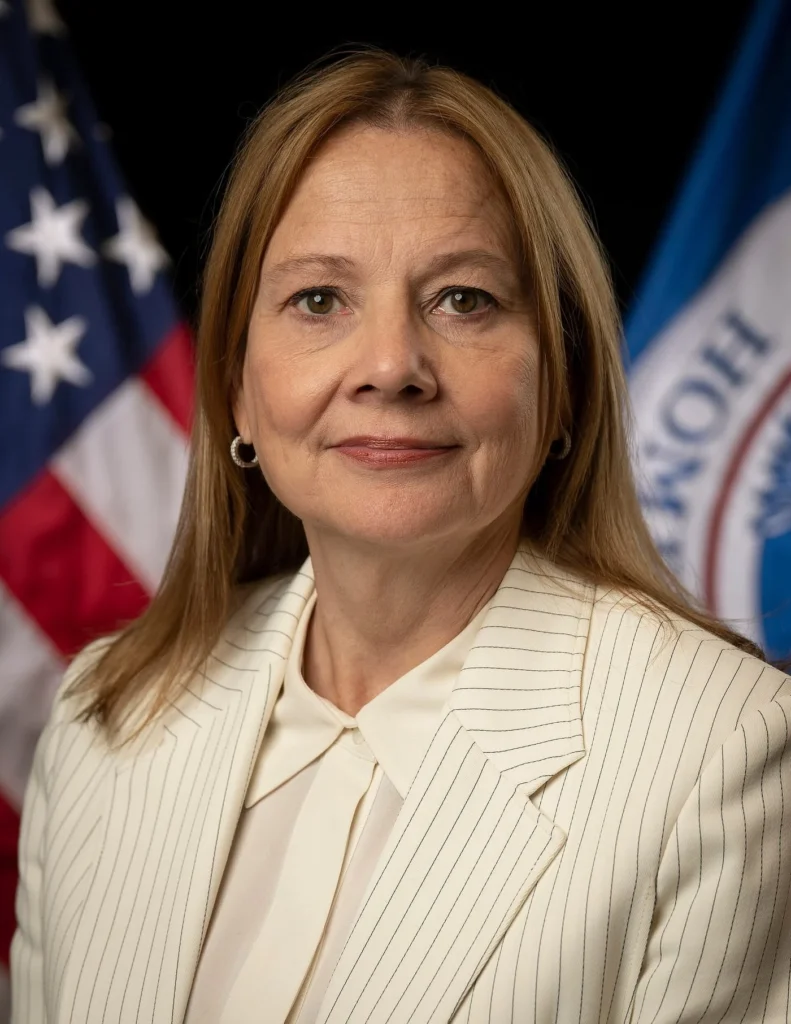
Mary Barra joined General Motors at 18 as a co-op student at a Pontiac plant. In January 2014 she became its chief executive, the first woman to lead a major global carmaker. Her tenure has been defined by two very different tests: a safety crisis in her first months, and a decade-long attempt to move a century-old manufacturer towards electric and software-defined vehicles.
A crisis on day one
Weeks after Barra took over, GM recalled millions of cars over a faulty ignition switch linked to deaths. She testified before the US Congress, commissioned an internal investigation and accepted its findings publicly. The episode set a tone: the company would name its own failures rather than wait for others to do it.
Shrinking to focus
Barra then made a string of decisions that made GM smaller and more focused. It sold its European Opel and Vauxhall brands in 2017 and pulled out of several markets where it could not earn a return. In 2021 it set a goal of eliminating tailpipe emissions from its new light-duty vehicles by 2035 and invested heavily in its own battery and electric-vehicle platform.
Not every bet paid off on schedule. Electric-vehicle demand grew more slowly than many forecasts, and GM ended funding for its Cruise robotaxi business in 2024 after a serious incident and regulatory scrutiny. Barra’s approach has been to adjust the pace without abandoning the direction.
What other leaders can take from it
- Own the failure early. Credibility spent on candour in a crisis is earned back many times over.
- Getting smaller can be a strategy. Leaving markets freed money and attention for the bets that mattered.
- Separate direction from pace. A long transformation survives bad quarters when leaders change the timetable rather than the destination.
For technology leaders running multi-year modernisation programmes, the GM story is a reminder that the plan will meet reality; what the board needs to hear is which parts are fixed and which can bend.
This is an analysis by The CIO Table’s editors based on public information; it is not an interview. Photograph: official portrait, US government, Wikimedia Commons, public domain.