
NVIDIA is often described as an overnight success of the AI era. It is closer to the opposite: a company that spent more than a decade building tools for a market that did not yet exist, led throughout by the engineer who co-founded it in 1993. Jensen Huang’s story is a case study in patience, and in the discipline of paying for the future while the present still pays the bills.
From graphics cards to a platform
Huang, born in Taiwan and educated in the United States, co-founded NVIDIA with Chris Malachowsky and Curtis Priem to build graphics chips for personal computers. For years the company’s fortunes rose and fell with video games. The decisive step came in the mid-2000s with CUDA, a programming platform that let developers use graphics processors for general computing. It cost a great deal, it slowed margins, and for several years few customers used it.
Then researchers discovered that the same parallel processors were ideal for training neural networks. When deep learning took off in the early 2010s, NVIDIA’s hardware and, crucially, its software ecosystem were already in place. Competitors could build fast chips; they could not easily replace years of developer habits, libraries and tools.
Running a giant like a start-up
Huang is known for an unusually flat organisation, with a large number of senior leaders reporting directly to him, and for sharing information widely rather than through layers of management. The aim is speed: fewer hand-offs between the person who knows and the person who decides. By the mid-2020s NVIDIA’s data-centre business, selling complete systems for AI rather than single chips, had made it one of the most valuable companies in the world.
What other leaders can take from it
- Fund the platform, not just the product. CUDA looked like a cost centre for years. It became the moat.
- Be early, then be ready. NVIDIA did not predict exactly when AI would arrive; it made sure it was prepared when it did.
- Shorten the distance between information and decision. Flat structures are hard to run, but they move faster than hierarchies that filter bad news.
For technology leaders, the question to take back to the budget meeting is simple: which of today’s unglamorous investments will look obvious in ten years, and who is protecting it until then?
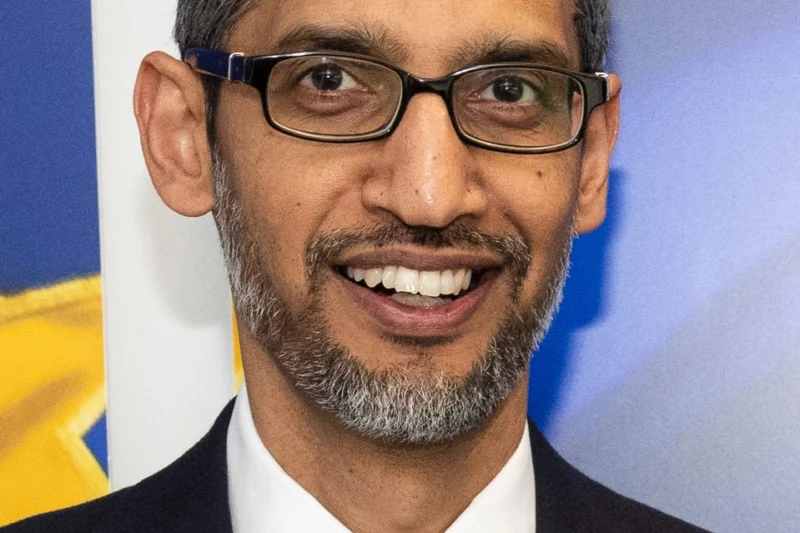
This is an analysis by The CIO Table’s editors based on public information; it is not an interview. Photograph: Anders Eidesvik, Wikimedia Commons, CC BY 4.0, resized.